



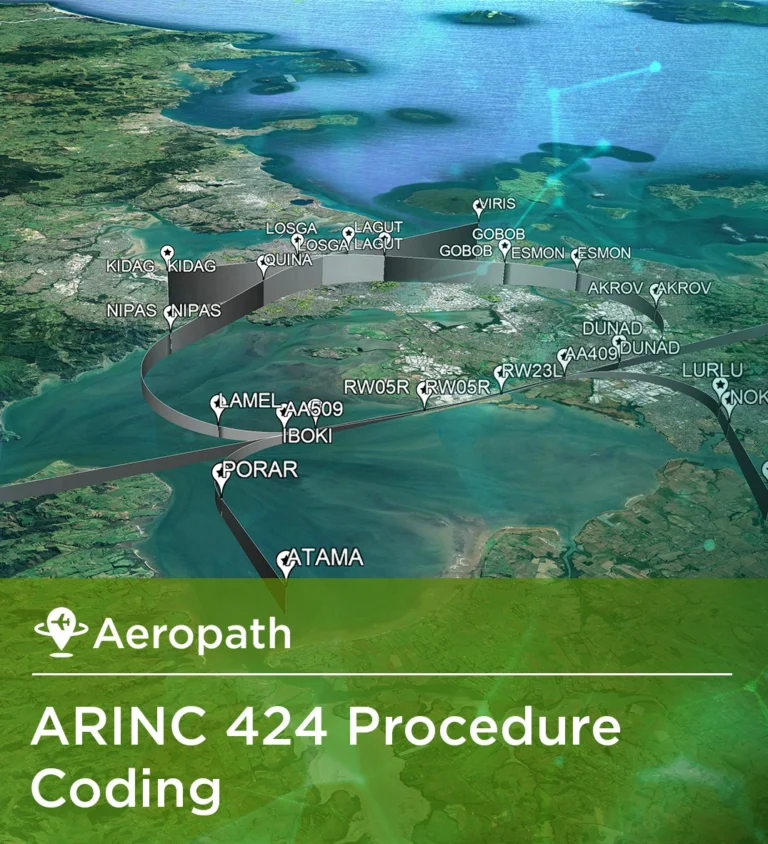
ARINC 424 Procedure Coding
This specialised course introduces the principles of coding instrument flight procedures using the ARINC 424 Navigation System Database Standard.
Home Training catalogue Instrument Flight Procedures training
This specialised course introduces the principles of coding instrument flight procedures using the ARINC 424 Navigation System Database Standard.
This is a specialised course focused on PBN approach procedures designed exclusively for helicopters.
This course provides airport operators or obstacle control personnel the necessary skills to evaluate aerodrome obstacles from a practical perspective.
It describes different methods to efficiently evaluate obstacles within the vicinity of the airport, including the straight segments of published flight procedures.
This course focuses on advanced approach procedures with vertical guidance, including Required Navigation Performance Authorisation Required (RNP AR) and a revisit of BARO-VNAV design criteria.
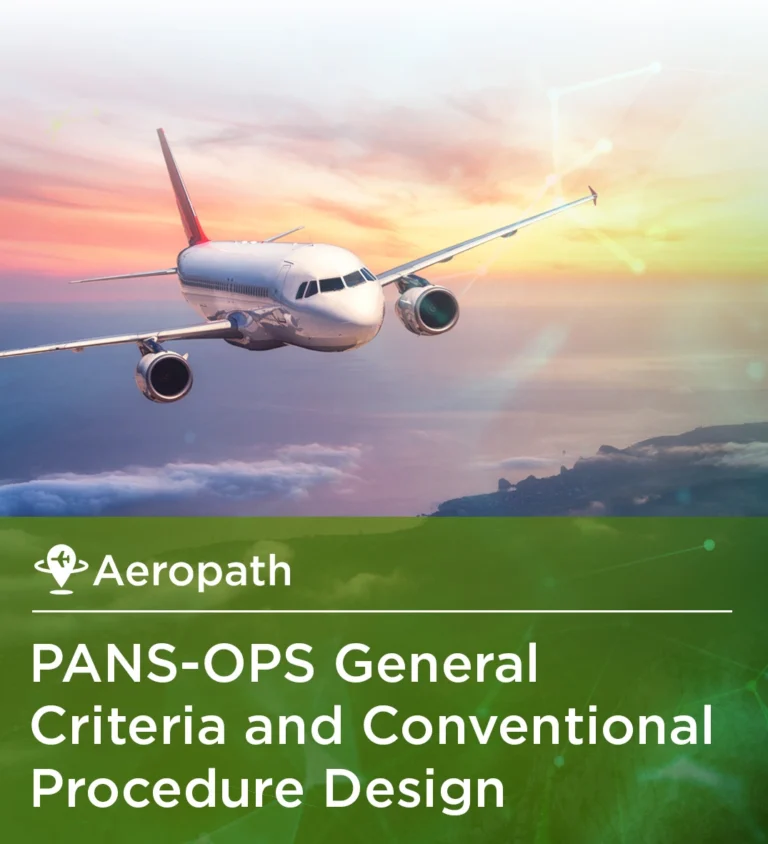
This is the foundational course in our procedure design training pathway, based on ICAO Doc 8168 Volume II (PANS-OPS).
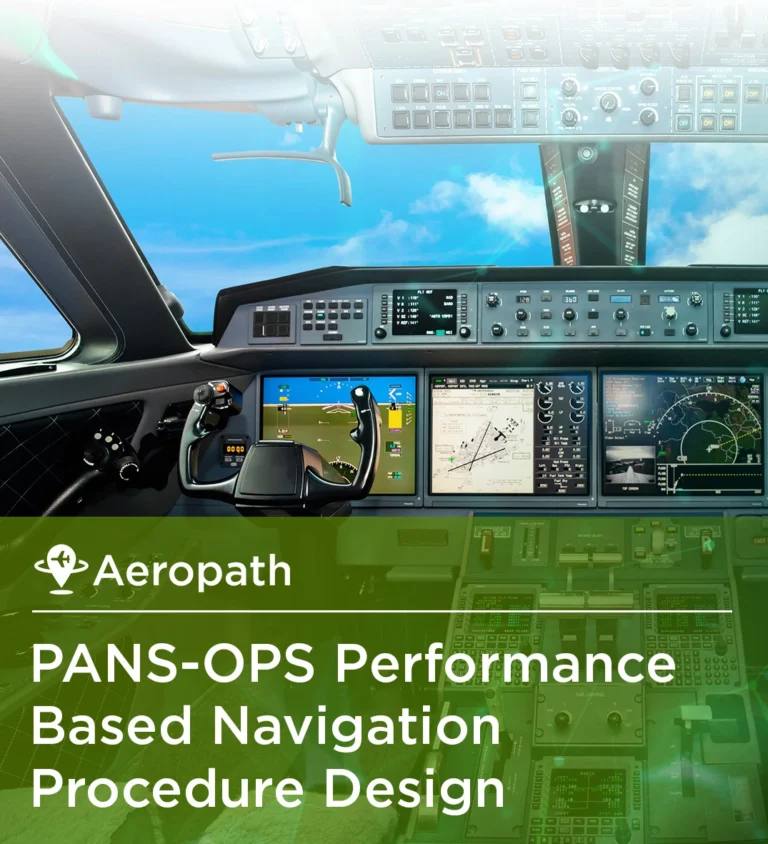
This course introduces the principles of PBN flight procedure design based on the Global Navigation Satellite System (GNSS) and BARO-VNAV criteria.
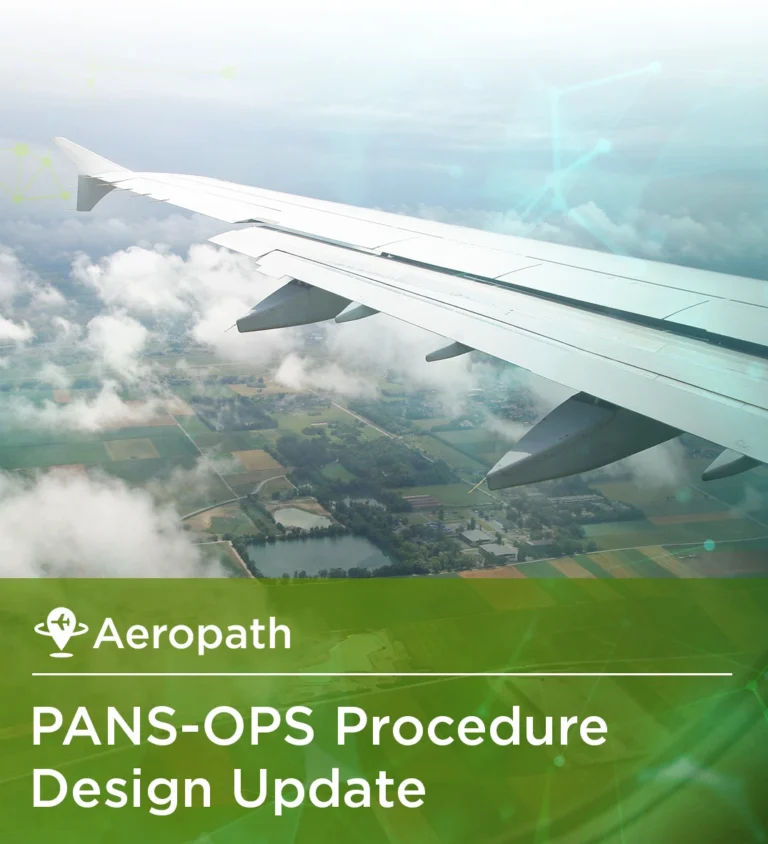
This course will cover new amendments to PANS-OPS and future developments, and assess the impacts and associated risks on existing flight procedures or the implementation of new ones.

This training course covers a PHX fundamentals programme which can include the tools required by your organisation from the syllabus below; this syllabus is proven to establish the necessary familiarity with the functionality of the PHX procedure design software, leading to proficiency with ongoing use of the application in day-to-day design tasks.

The final goal of training is to ensure flight procedure designers perform to the requirements specified in the company framework. This cannot be achieved solely through initial training; on-the-job training (OJT) is critical.