






Procedure design capability is becoming a strategic priority for aviation organisations as airspace modernisation, Performance Based Navigation and changing operational needs drive demand for complex new procedures and the expertise to deliver them.
Many organisations are also strengthening internal capability as experienced designers retire, leaving a knowledge gap that cannot be filled overnight. Procedure design training grounded in operational experience is critical to transferring that specialist knowledge and preparing new designers to apply it safely in practice.
Beyond standards and software
Effective procedure design training brings together technical requirements and operational realities. Designers must consider ICAO standards, aircraft performance, terrain, obstacles and air traffic management interactions, then apply that information to create procedures that are safe, efficient and practical for pilots and controllers.
This requires more than just technical knowledge and software skills. Designers need the judgement to balance competing requirements, assess the operational consequences of their decisions and choose the most appropriate solution for each environment.
Developing that judgement takes time. It comes from working through real design decisions, understanding why particular options were chosen and seeing how standards are applied when there is no perfect solution.
Learning to use procedure design software is also a key foundation for any future procedure designer. However it is just as important for designers to learn the ‘why’ behind software outputs and automated design solutions to inform safe and compliant procedures. This ultimately creates confidence in the procedure design process for any new designer developing their skills.
What to look for in training
When organisations invest in procedure design training, they need confidence that the provider and its instructors can prepare designers to make safe, sound decisions in practice.
Strong programmes start with applying ICAO PANS-OPs, the main internationally recognised standard for procedure design criteria. In practice, training combines these recognised standards, qualified instructors and clear learning outcomes with insight into why options were chosen, how challenges were resolved and what influenced final decisions.
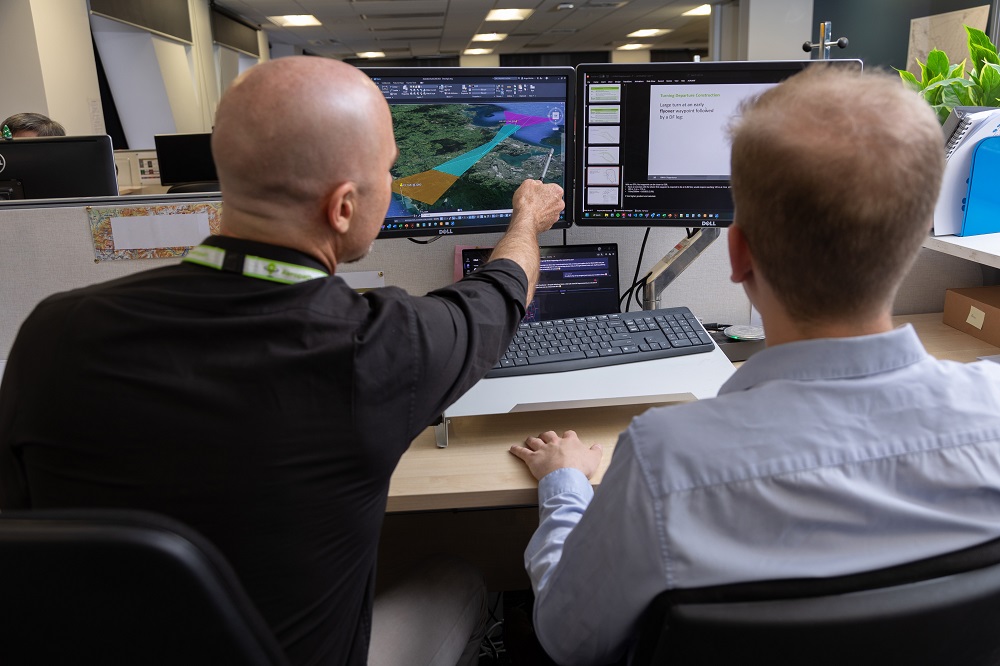
In my experience, these discussions are often where the most useful learning happens. They connect technical concepts with the situations designers are likely to encounter, and help them understand how experienced practitioners approach complex decisions.
Experience from real projects
This is where the experience behind the training provider matters. Our experience starts with our team learning to design procedures in the complex terrain of New Zealand. Aeropath has delivered procedure design and airspace services in more than 20 countries, working with regulators, air navigation service providers, airports and airlines across a wide range of operational environments.
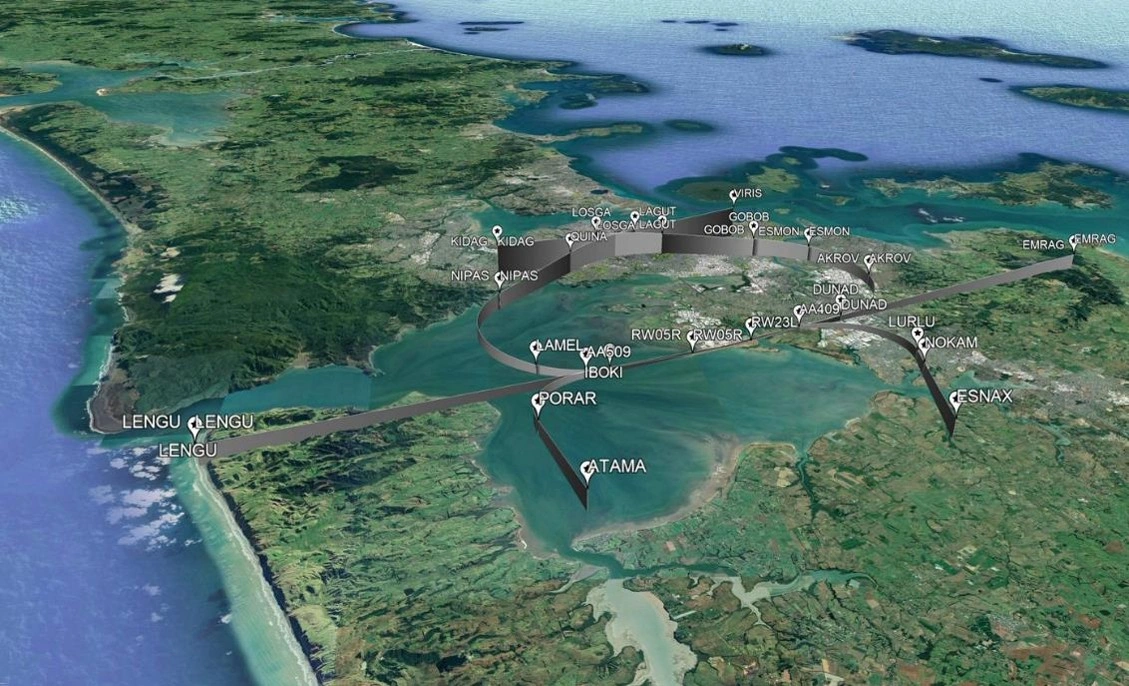
Our work includes redesigning congested airspace, developing complex arrival and departure routes, and supporting operations where terrain, traffic or airspace constraints leave little room for error.
Aeropath also supports multi runway operations and Simultaneous Operations on Instrument Runways (SOIR) at major international airports across Asia and the Middle East, where designers must balance safety, capacity, operational efficiency and stakeholder requirements.
A structured pathway to competence
We’ve drawn on Airways International’s long history of aviation training in developing Aeropath’s Instrument Flight Procedures training programme, launched in May 2026 to turn decades of practical design experience into a clear training pathway. Aeropath’s Instrument Flight Procedures training programme was launched in May 2026 to turn decades of practical design experience into a clear, structured training pathway.
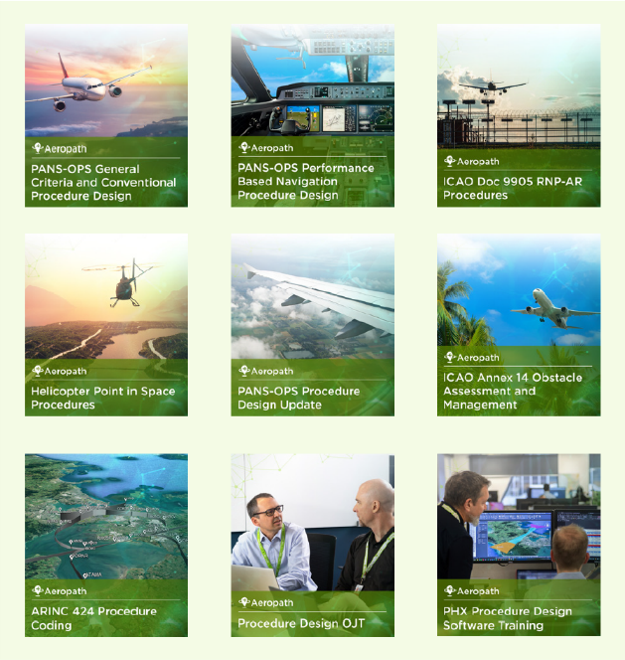
It covers the full procedure design pathway, from foundational PANS-OPS concepts through to advanced Performance Based Navigation, including RNP AR procedures and specialised areas of Helicopter Point in Space, ARINC coding, PANS-OPs refreshers and PHX software training. Participants build their technical knowledge before applying it to increasingly complex design situations.
Courses are developed and delivered by experienced procedure designers, with scheduled and customised options available. Training can be delivered face-to-face in Wellington or in country, allowing organisations to build capability around their own operational requirements.
From training to practice
For organisations developing procedure design capability, the experience behind the training matters. People learn faster when instructors can connect standards to operational situations, explain the reasoning behind design decisions and share lessons from actual projects.
Investing in world class procedure design training helps organisations build capability that lasts. It equips designers to make sound decisions in complex environments and gives organisations confidence that the procedures they develop will support safe, efficient and practical operations.
About the author
Hamish McKoy
Head of Aeropath
Hamish McKoy is an experienced aviation leader with over 20 years’ experience in the private and public sectors of the aviation industry. He has extensive experience leading teams in instrument flight procedure and airspace design, air traffic management, and aeronautical information management.
Hamish is responsible for the strategic direction of Aeropath in implementing new aeronautical information management and navigation procedure design services based on stakeholder requirements, both in New Zealand and across the globe. He ensures that Aeropath delivers its core aeronautical information management and flight procedure design services safely and effectively.
Hamish holds a Master of Science with Honours and a Commercial Pilot Licence, and has been the New Zealand member to the ICAO Separation and Airspace Safety Panel since 2018.