






Most air traffic services training organisations can describe what competence looks like, and many have been using forms of competency based training and assessment for years. The real challenge is turning those principles into consistent training and assessment practices.
At its core, competency-based training focuses on developing and assessing the knowledge, skills, behaviours, and aptitude required for safe and effective air traffic control performance.
In a competency-based training framework, progression is based on a trainee’s demonstrated ability to perform to the required standard, rather than time spent in training or exercises completed. Assessment and qualification decisions are therefore based on evidence of competence in realistic operational situations.
What competence looks like in practice
Over the past decade, I have seen first-hand that success depends less on the framework itself and more on the systems that sit behind it.
This challenge is becoming more relevant as regulation evolves. From January 2029, European Commission Regulation (EU) 2015/340 will require European air traffic controller training programmes to apply competency-based training and assessment principles, placing greater focus on how organisations gather evidence and make assessment and certification decisions.
Theoretical examinations are generally more straightforward because they assess knowledge and understanding, however practical observations present a greater challenge.
Learners must consistently apply their knowledge, skills and behaviours in realistic settings, demonstrating technical competence, sound judgement, decision making, situational awareness and the ability to perform under varying conditions.
Practical observations are therefore a rigorous and valuable part of competency-based assessment, providing direct evidence of workplace performance.
Building a complete picture
We’ve spent more than 25 years refining our competency-based approach for training ab initio students and operational controllers at Airways New Zealand. One lesson has remained constant: competence is earned over time through consistent performance, not demonstrated in a single assessment.
Operational readiness must be demonstrated repeatedly, across different scenarios and levels of complexity. We need to understand how a trainee communicates, makes decisions, manages workload and maintains situational awareness when circumstances change.
Rather than simply recording a pass or fail, instructors need to understand what contributed to the performance. They can then provide targeted feedback, adjust the training and give the trainee opportunities to demonstrate improvement.
When implemented well, a competency framework gives instructors a shared language for discussing performance. Without consistent evidence and assessment practices, however, it risks becoming an administrative exercise rather than a useful training tool.
Bringing training closer to the operation
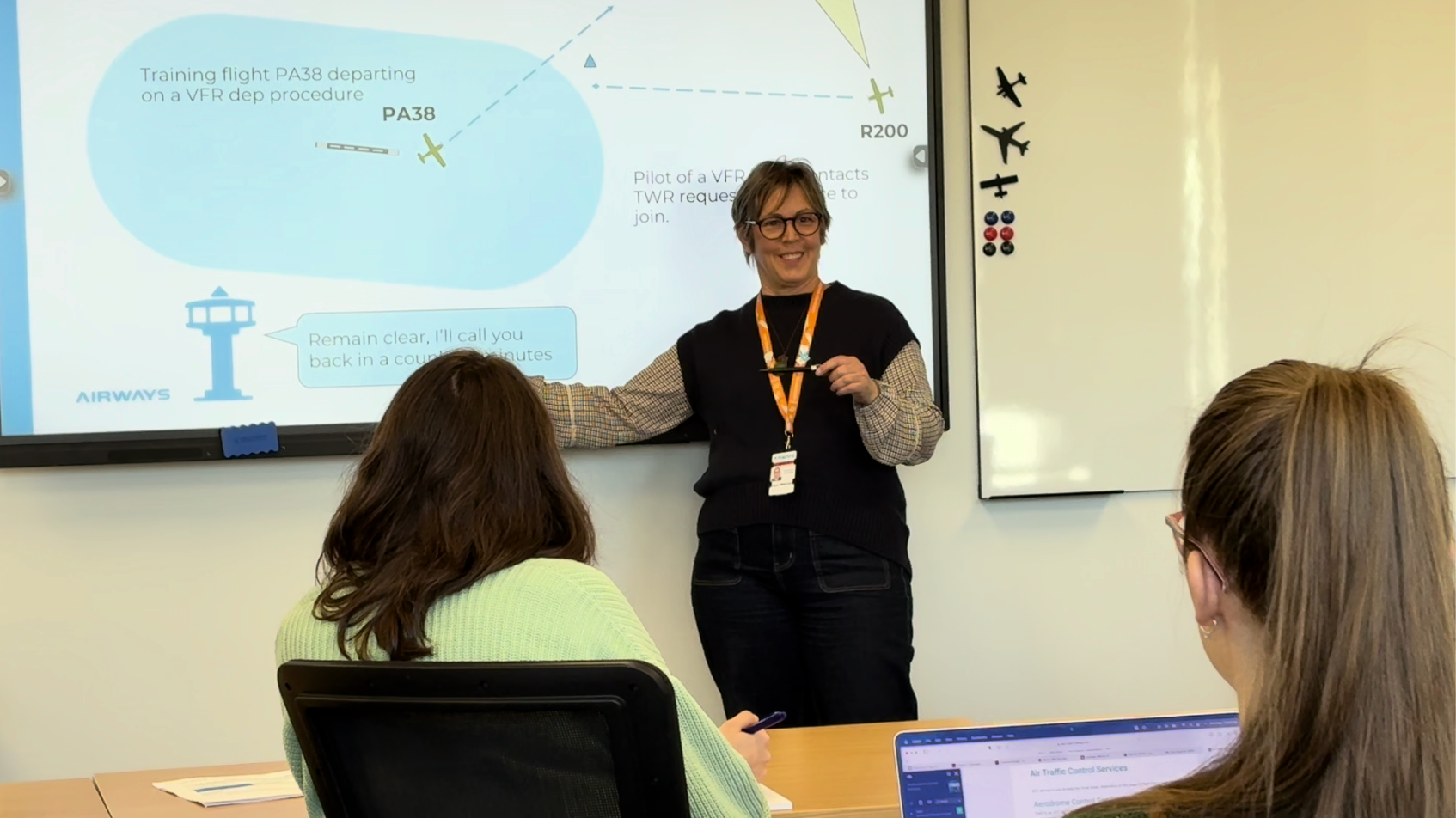
A great example of a competency-based approach in practice at Airways New Zealand is the regional simulation hub now in place at Queenstown Tower. The model has been developed under the leadership of Dean Urquhart from Airways New Zealand, working closely with the Queenstown operational team and training specialists.
In close collaboration with the Airways team, we’ve established TotalControl simulation capability, including remote piloting within the operational unit, with exercises reflecting local traffic scenarios and live operating conditions.
As part of that sim use, trainees complete a six-week foundation block of simulation training at Queenstown before beginning on-job training. During that time they become familiar with local procedures, the operational environment and the wider team.
Exercises become more complex as trainees demonstrate the required competencies. Instructors can target development needs, trainees can use self-directed sessions to reinforce learning, and training can continue when weather limits live traffic.
The simulator also supports just-in-time learning by allowing trainees to recreate and practise scenarios soon after they occur in the live environment.

Structured simulator training shifts learning from chance exposure to deliberate practice, enabling trainees to develop and demonstrate competence through realistic, objective, and repeatable scenarios. This reduces reliance on live traffic, improves training consistency, and provides earlier opportunities to identify and address performance gaps.
– Dean Urquhart, Airways New Zealand
The greatest benefit is that trainees build confidence and capability before entering the live environment. When they begin on-job training, they already understand and are familiar with local procedures, relevant traffic scenarios and the wider operational team. Early experience also suggests the approach can help reduce training times by developing capability before trainees begin on-job training.
Designing a competency-based system
The Queenstown Tower example shows what competency-based training can achieve when supported by clear competencies, progressive development and consistent assessment.
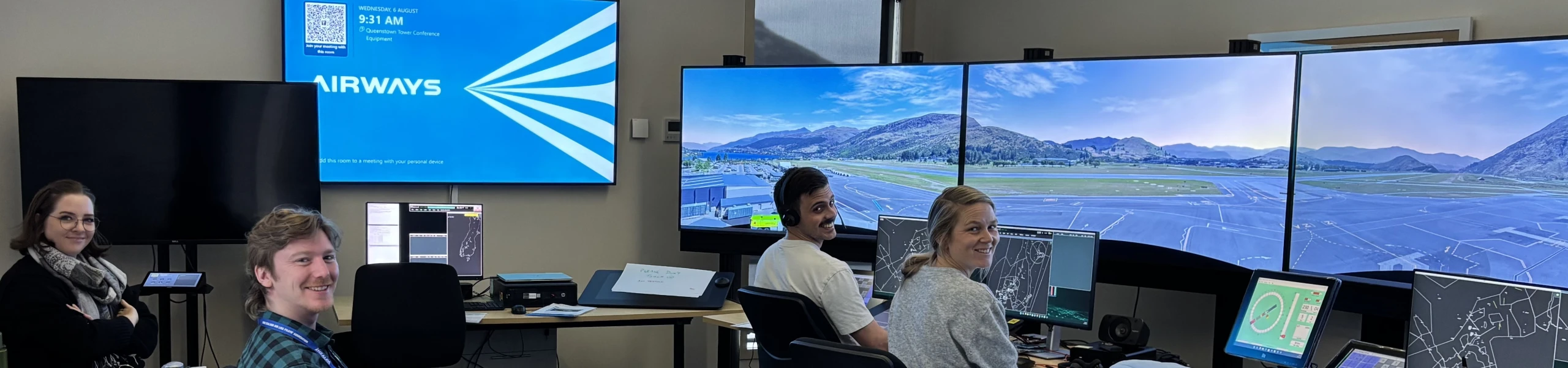
To develop the ATC competency-based training framework for Airways, we began with clearly defined competencies and observable performance criteria. These were developed across the classroom, simulator and live environment, as instructors observe performance, provide feedback and gather evidence under different conditions.
Students and trainees are given opportunities to learn from mistakes and demonstrate improvement over time. Consistent performance confirms they are ready to manage traffic safely, adapt to change, exercise sound judgment and work effectively within a team.
Ultimately, competency based training links training outcomes directly to operational performance. By focusing on what controllers can reliably do in the workplace, it strengthens training, assessment and confidence that trainees are prepared for the demands of the operational environment.
Making evidence usable
Evidence of competency needs to be recorded consistently, linked to the competencies being assessed and viewed across the trainee’s full journey. Fragmented records make it harder to identify patterns, provide targeted support and make informed progression decisions.
Airways’ new OnTrac platform is being developed to provide a connected view of trainee progress. Designed specifically for ATC training, OnTrac links assessment evidence to defined competencies, improves visibility of trainee progress and helps instructors and assessors build a complete picture of development over time.
It connects the full training journey, from selection through to theory and simulation training, and operational assessment – creating a single view of progress across every stage. The result is a more connected training ecosystem, giving trainees clearer feedback, instructors better insight into performance, and ANSPs greater confidence in training and assessment decisions.
The standard that matters
Competency based training should improve how we understand performance, support development and determine operational readiness.
A sound framework is only the starting point. Organisations also need realistic training environments, capable instructors, consistent assessment and reliable evidence of progression.
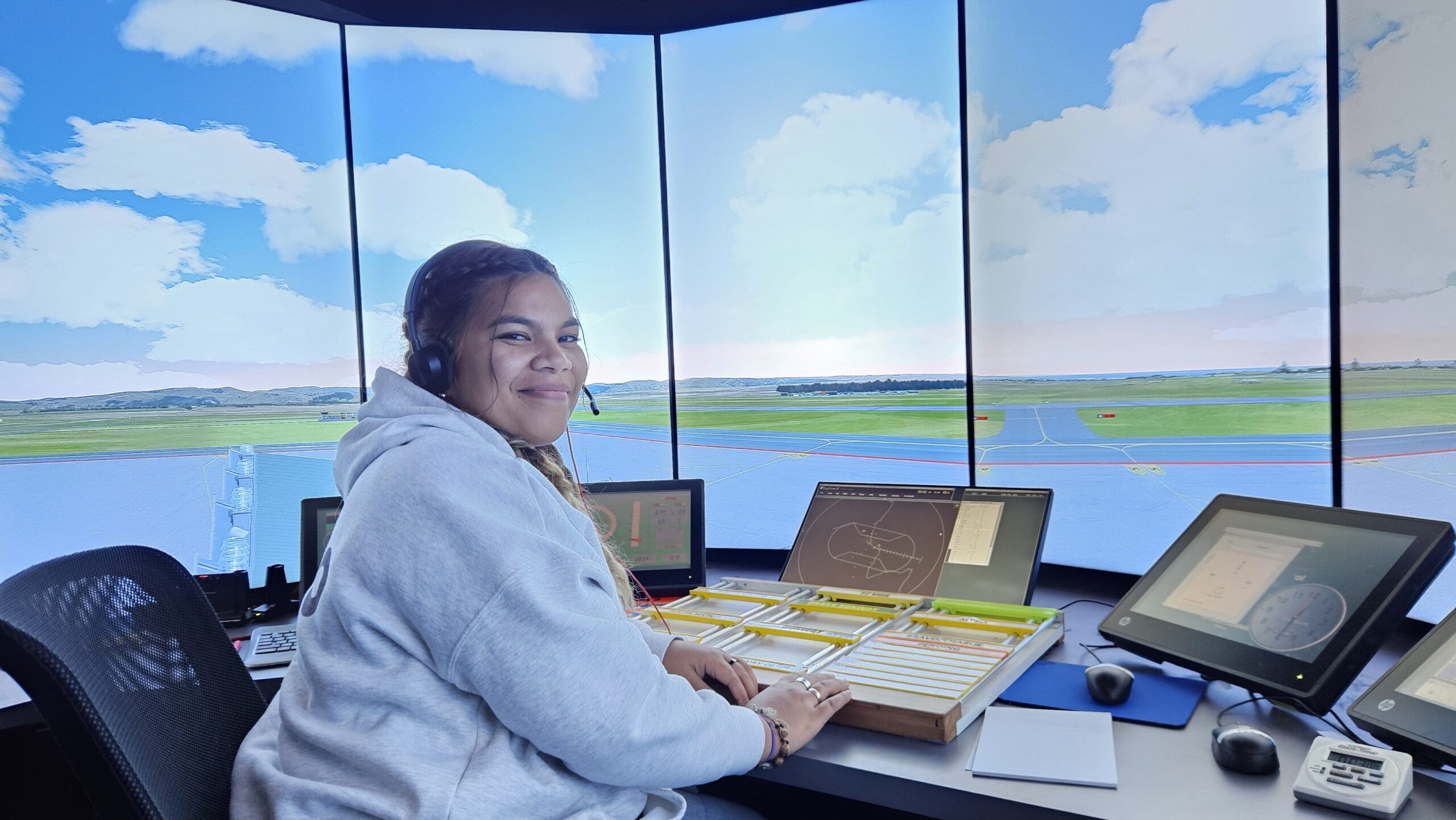
Ultimately, trainees must be able to apply their skills consistently, adapt to changing conditions and operate safely in the real environment. That is the standard that matters.
About the author
Kelly de Lambert
Head of Air Traffic Services (ATS) Training
Kelly has 30 years of experience in a variety of roles within the tertiary education and corporate sectors as a corporate trainer, lecturer, programme manager and academic quality manager. She has a Bachelor of Science, and a Diploma of Adult Teaching and Learning, both from the University of Canterbury.
Kelly’s role focuses on ensuring high quality and profitable delivery of all training courses and programmes at all Airways training campuses as required with each customer, ensuring contracted deliverables are met with high levels of customer and learner success and satisfaction.
She uses her experience to deliver the educational, strategic and operational management of the Airways training academy, with responsibility for all teaching and learning programmes, instructional staff and developing procedures to enhance teaching and learning.